Old School 80s Retro Technology SVG for Crafts and Graphics
As a seasoned graphic designer with years of experience working on branding, marketing visuals, packaging, and digital assets for small businesses and creative marketplaces, I often find myself vetting design resources to ensure they meet the demands of real-world applications. One such asset that recently caught my eye is Old School 80s Retro Technology. This SVG design brings back a nostalgic visual tone while offering practical versatility for a range of projects.
A Nostalgic Yet Functional First Impression
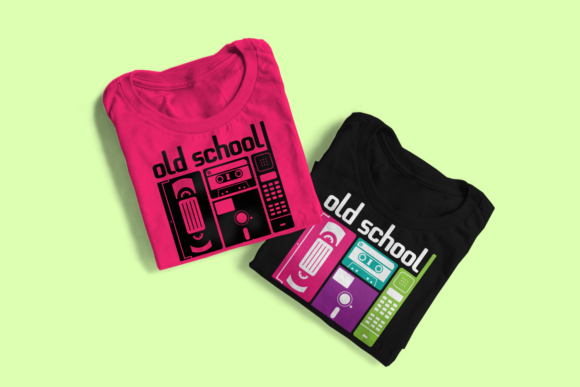
The moment I opened the file, I was greeted by a cohesive collage of obsolete tech icons — a VHS tape, a brick-sized cell phone, a floppy disc, and a cassette tape. These elements are stylized in a clean retro aesthetic, blending the charm of the past with modern design clarity. The phrase “old school” at the top adds a subtle yet impactful statement, reinforcing the theme without being overbearing.
This design doesn’t scream retro; it whispers it. It’s ideal for clients who want to evoke a sense of authenticity and vintage flair without leaning into clutter or outdated aesthetics. The vector format ensures crisp lines and scalable precision, making it a solid candidate for both digital and print use.
Retro Meets Modern: Use Cases and Visual Impact
Old School 80s Retro Technology thrives in environments where a touch of nostalgia can elevate the brand story. Here's how it performs across different creative fields:
- Logo Design: While not suitable as a primary logo element, it works beautifully as a supporting motif for sub-brands or themed product lines.
- Brand Identity: For handmade brands or boutique shops targeting a specific demographic (think vinyl collectors or Gen X entrepreneurs), this design can anchor a unique visual identity.
- Product Labels & Packaging: When applied to product labels or packaging details, it adds character and personality. Think limited edition releases or seasonal campaigns with a retro twist.
- Posters and Flyers: Its bold shapes and clear outlines make it an excellent hero graphic for event promotions or local pop-up shop announcements.
- Sticker Design and Merchandise: As a sticker or printed on t-shirts, mugs, and tote bags, this design becomes a conversation starter. Its recognizable icons work well for personalization and thematic merchandise.
- Website and Blog Graphics: On blog headers or landing pages, it can help set the tone for content about vintage culture, analog photography, or even retro gaming guides.
- Social Media and Digital Ads: Especially effective on Pinterest pins or Instagram posts for Etsy shops, this graphic enhances audience engagement by tapping into emotional memories of the past.
- Canva Templates and Cricut Projects: The layered SVG structure allows for easy customization, making it perfect for DIY templates or intricate Cricut crafts.
- Printable Wall Art: In larger sizes, it serves as a decorative illustration that feels both classic and contemporary when styled correctly.
Where This Design Shines
The visual language of Old School 80s Retro Technology makes it particularly useful in the following scenarios:
- Large Layout Areas: The size and detail level suit expansive designs like posters, banners, and wall art where subtlety and depth matter.
- Hero Graphics: Its central placement on a page draws attention effectively, especially in editorial layouts or campaign visuals aiming for a playful vibe.
- Themed Collections: Whether launching a line of retro-inspired products or curating a holiday collection with a throwback feel, this design ties the narrative together.
- Supporting Brand Elements: It functions well as a background pattern, watermark, or secondary iconography in branding materials, adding texture without overshadowing key messages.
Where Caution Is Key
Despite its strengths, there are areas where this design may not perform optimally. Here’s what to watch out for:
- Small Sizes: The intricate details might become unclear if scaled down too much, so avoid using it in tiny spaces like favicon graphics or micro-illustrations.
- Crowded Layouts: If your project already has multiple design layers, this asset could contribute to visual noise. Use it sparingly to maintain balance.
- Complex Backgrounds: Placing it on busy or textured backgrounds may reduce its impact. Test it against gradients, photos, or other patterns before finalizing.
- Minimalist Branding: Clients who prefer sleek, modern aesthetics might find this design incompatible with their visual language. Always align it with the brand’s core values.
- Professional Corporate Materials: Unless the client explicitly wants a quirky, retro office theme, this design is better suited for lifestyle, craft, or entertainment brands.
- Test in Black and White: Confirm that the design remains legible and stylistically consistent when color isn’t an option.
- Check Contrast: Ensure it stands out clearly against both light and dark backgrounds. Adjust stroke weights or colors if needed.
- Preview at Multiple Sizes: Try it on a large banner and a small social media card to understand how it scales visually.
- Place on Real Mockups: See how it looks on actual products like mugs, T-shirts, or packaging mockups to assess real-world usability.
- Test Print Quality: If you’re creating physical items, verify that the SVG converts well to high-resolution PNG and prints cleanly.
- Review File Formats: Make sure you have access to both SVG and PNG versions, including transparent PNGs for layering flexibility.
- Inspect Editability: Since it’s an SVG, check whether individual elements are editable in vector software like Adobe Illustrator or Canva Pro for custom tweaks.
- Confirm Commercial License: Always double-check licensing terms before using any design asset for client work or selling in creative marketplaces.
Design Performance and Professional Application
In a recent project for a retro-themed coffee shop, I used Old School 80s Retro Technology in a series of branded stickers and social media posts. The result was a cohesive visual system that felt authentic and appealing to the target audience. Customers responded positively, commenting on the fun and familiar elements incorporated into the branding.
What stood out was how the design contributed to the emotional appeal of the project. It wasn’t just decorative — it helped tell the story of the brand. However, I had to be careful with color contrast. Testing it in black and white revealed some tonal inconsistencies, so adjusting the color palette was necessary to preserve readability and visual trust.
Readability and Visual Hierarchy
While the phrase “old school” is prominent, the rest of the design relies on imagery rather than text. This means it plays well in supporting roles but should never be the focal point if legibility is a priority. When paired with a strong sans-serif font or a clean display typeface, it complements the hierarchy without competing for attention.
For instance, pairing it with a bold script font for headlines gave the layout a balanced mix of whimsy and professionalism. But when used alongside handwritten fonts, it lost some of its polished edge, which could be a concern for commercial use.
Practical Designer Notes Before Use
Before incorporating Old School 80s Retro Technology into a client project, here are a few key considerations:
SVG vs. PNG: Which Format to Choose?
Because this is an SVG design, it’s highly adaptable. Vector-based formats allow for resizing without quality loss, which is essential for print-on-demand sellers and digital designers alike. That said, if you're working in platforms that don’t support vectors well (like basic WordPress themes or email clients), a PNG version would serve as a reliable alternative.
When using the PNG, pay close attention to transparency. A good transparent PNG will let you place the design over photos or textured backgrounds without bleeding or misalignment. For web and app developers, having both SVG and PNG ensures compatibility across devices and platforms.
Emotional Appeal and Audience Engagement
One of the most compelling aspects of this design is its ability to trigger positive associations. The 80s were a time of innovation, music, and pop culture, and these icons tap into that era with a wink. It’s a powerful tool for connecting with audiences who appreciate vintage aesthetics — think millennials who grew up with VHS tapes and Gen X who remember dial-up modems.
Using Old School 80s Retro Technology can help differentiate your client’s brand from competitors who stick strictly to modern minimalism. It’s a smart move for niche markets like vinyl record stores, vintage clothing boutiques, or retro gaming cafes.
Visual Trust and Recognition
Though the design leans into nostalgia, it still maintains enough clarity and simplicity to feel trustworthy. The recognizable symbols help users immediately connect with the theme, improving recognition and recall. This is especially important for brand consistency in long-term campaigns or multi-product launches.
However, the same familiarity that builds trust can also limit it. For example, using this asset in corporate brochures or financial reports could undermine the professional tone. It’s best reserved for lifestyle, entertainment, or creative industries where the mood matches the message.
Why This Is a Useful Creative Asset
As a designer, I’m always looking for assets that do more than just look pretty. Old School 80s Retro Technology checks several boxes: it’s emotionally resonant, technically sound, and adaptable across formats and platforms. It fits seamlessly into design bundles for creators who need ready-to-use illustrations for their next project.
Whether you're crafting a themed collection for a handmade business or designing a promotional poster for a local retro festival, this SVG can add depth and storytelling value. It also pairs nicely with other vintage-style assets, helping you build a retro design bundle that’s both comprehensive and cohesive.
Final Thoughts for Designers and Marketers
In conclusion, Old School 80s Retro Technology is a versatile and nostalgic design asset that, when used thoughtfully, can enhance visual storytelling and audience connection. It’s not a one-size-fits-all solution, but for the right project — especially those in crafts, printables, or digital goods aimed at a retro-loving crowd — it can be a game-changer.
If you're a Cricut user or running a print-on-demand service, this design offers great potential for merchandise. Just remember to test it thoroughly before locking in your production files. The devil is in the details, and ensuring this asset performs well across all mediums is crucial for delivering a polished end product.